Terrible Lizards – A Complete Game Review and Beginner’s Guide
ADVERTISEMENT
Introduction
What happens when a forgotten roadside dinosaur attraction becomes the setting for a terrifying adventure? Terrible Lizards turns this unusual idea into a first-person horror platforming experience that combines exploration, fast-paced movement, environmental storytelling, and survival challenges. Developed by WDR Studios LLC and published by Digital Pajamas and Behaviour Interactive, the game takes players to Dalton’s Dinos, an abandoned tourist attraction along Route 66 in New Mexico. Beneath its colorful dinosaur-themed exterior lies a disturbing mystery that players must uncover while trying to escape the creatures roaming its forgotten spaces.
Released on October 29, 2026, Terrible Lizards is designed for players who enjoy atmospheric horror but want something different from traditional combat-focused games. Instead of relying on weapons or direct confrontation, the experience emphasizes running, jumping, climbing, sliding, and finding ways through dangerous environments. Its combination of first-person parkour and dinosaur horror gives the game a recognizable identity.
This review examines the game's premise, atmosphere, movement mechanics, exploration, storytelling, difficulty, presentation, and overall experience. It also considers the strengths and weaknesses that potential players should understand before stepping inside Dalton’s Dinos.
1. What Is Terrible Lizards?
Terrible Lizards is a single-player, first-person horror parkour game. Its central idea is straightforward: explore an abandoned dinosaur attraction, discover what happened there, and survive encounters with the creatures hiding inside. However, the experience becomes more interesting through its emphasis on movement rather than conventional combat.
The game takes place in 1992, when mobile phones and modern ride-sharing services are not available. The protagonist becomes stranded near Dalton’s Dinos after their car breaks down. The attraction appears to be the only nearby place offering help, but its staff have disappeared. A mysterious voice on a telephone asks the protagonist to help locate a missing child, drawing them deeper into the attraction.
The premise creates an effective foundation for horror. A location originally designed to entertain families becomes an unsettling environment filled with unanswered questions. Dinosaur displays, abandoned facilities, and forgotten underground areas contribute to the contrast between the attraction's original purpose and its current condition.
Rather than presenting itself as a traditional dinosaur action game, Terrible Lizards focuses on suspense, movement, discovery, and survival. This makes it particularly interesting for players who appreciate horror experiences with a strong platforming component.
2. The Story and Setting: A Forgotten Route 66 Attraction
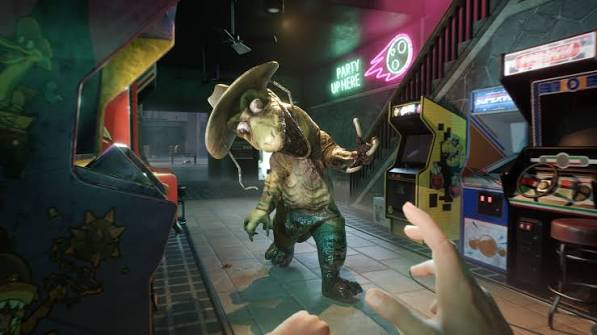
The setting is one of the most distinctive parts of Terrible Lizards. Dalton’s Dinos is imagined as an old roadside attraction in the New Mexico desert. Its connection to Route 66 gives the location a nostalgic atmosphere, while the abandoned buildings and missing employees introduce an immediate sense of uncertainty.
The year 1992 also plays an important role in establishing the story. Without modern communication options, the protagonist has limited ways to request assistance. The mysterious telephone becomes an important narrative element, providing the first connection to the attraction's hidden events.
As players explore, the environment gradually suggests that something much more serious has happened beneath the surface. What initially appears to be a deserted tourist destination leads toward forgotten caverns, abandoned excavation areas, and tunnels occupied by dangerous creatures.
The story is built around curiosity. Players are encouraged to examine their surroundings and pay attention to the information left behind. Instead of explaining everything immediately, the game uses environmental details and collected recordings to help reveal the mystery.
This approach is effective because it gives exploration a narrative purpose. Players are not simply moving through a collection of horror-themed rooms. They are investigating a place with a history, trying to understand why it became abandoned and what is hidden beneath it.
The central gameplay feature is the combination of first-person movement and survival horror. Terrible Lizards asks players to navigate challenging environments while creatures pursue them. Movement is therefore more than a way to travel between locations; it is the primary skill needed to progress.
The game includes several movement abilities, such as:
Running: Move quickly through open areas and escape dangerous encounters.
Jumping: Cross gaps and reach platforms that cannot be accessed from the ground.
Climbing: Navigate vertical sections and reach higher routes.
Wall running: Use suitable surfaces to continue moving through difficult platforming sections.
Sliding: Pass through lower openings and maintain momentum.
Bouncing: Use environmental elements to reach otherwise inaccessible areas.
These abilities create a gameplay loop that rewards awareness and timing. Players must recognize the route ahead, understand how different movement actions work, and respond when the environment becomes more challenging.
The first-person perspective also makes movement feel more immediate. Instead of watching a character perform actions from a distant camera, players experience the environment directly through the protagonist's viewpoint. This can make platforming more engaging while increasing the tension of pursuit sequences.
Terrible Lizards is particularly interesting because its movement system is intended to be intuitive to learn but offers room for improvement. Becoming familiar with the controls is only the beginning. Learning how to combine actions smoothly and maintain momentum is an important part of mastering the experience.
4. Survival Challenges and Creature Encounters
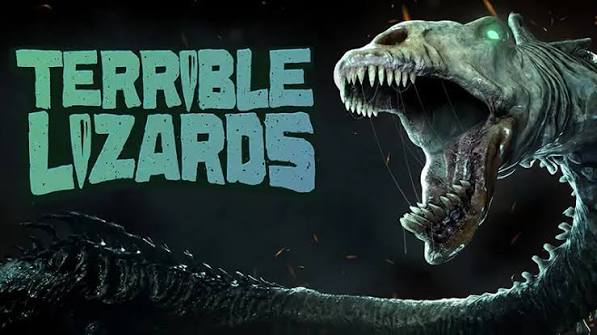
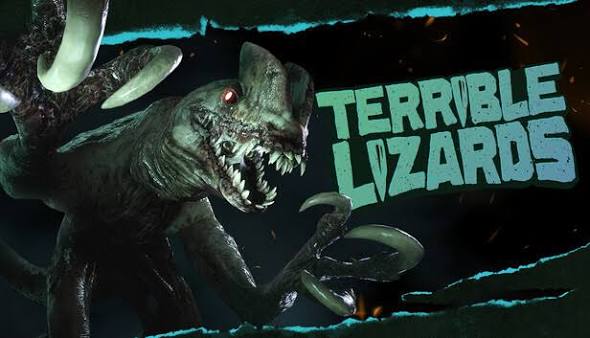
The creatures are a major source of tension throughout Terrible Lizards. They are not simply decorative dinosaur models placed around the attraction. They actively pursue the player, turning exploration into a constant test of awareness and movement.
The game does not rely on conventional combat as its main solution. Players must use their surroundings and movement abilities to avoid danger. This design choice creates a different kind of horror experience from games where survival depends on fighting enemies or collecting increasingly powerful equipment.
Creature encounters can change the way players approach familiar areas. A corridor that initially appears to be a straightforward route may become difficult when a creature begins following the protagonist. A platforming section may also feel more demanding when players must concentrate on movement while reacting to an approaching threat.
This creates a useful relationship between the game's two central systems:
Exploration introduces players to the environment.
Movement abilities provide ways to navigate it.
Creature encounters test how well players understand those abilities.
Successful escapes allow the journey to continue.
The absence of conventional combat also helps maintain the game's identity. Players cannot simply treat every encounter as an opportunity to defeat an opponent. Instead, the emphasis remains on making decisions, recognizing routes, and staying mobile.
For horror fans, this approach offers an appealing alternative to more action-oriented experiences.
5. Exploration and Environmental Storytelling
Exploration is an important part of the experience because Dalton’s Dinos is designed to contain more than one layer of mystery. Its abandoned tourist facilities provide the initial setting, while the areas below the attraction expand the scale of the adventure.
The game encourages players to look beyond the most obvious route. Environmental details, abandoned spaces, and hidden areas help create a stronger sense of place. Exploring carefully can also provide useful context about the events surrounding the attraction.
One of the notable storytelling elements is the collection of tapes, notes, and recordings. These items offer additional information about the location and help players piece together its history.
Environmental storytelling works especially well in horror games because it allows the setting to communicate information without constantly interrupting the action. A deserted room, an unusual object, or a recording can raise questions that encourage players to continue exploring.
This structure also gives the game a balance between movement-focused sections and quieter moments. Players may spend one section concentrating on navigating difficult terrain before entering an area where they can examine the surroundings and search for clues.
The contrast helps prevent the experience from becoming a sequence of identical chase encounters. It gives the player opportunities to absorb the atmosphere and understand the world.
6. Visual Design and Horror Atmosphere
The visual identity of Terrible Lizards is closely connected to its unusual setting. A roadside dinosaur attraction provides a different atmosphere from the abandoned hospitals, traditional haunted houses, and isolated villages often seen in horror games.
The contrast between a family-oriented tourist destination and its unsettling condition creates much of the game's visual appeal. Dinosaur-themed attractions naturally suggest bright displays, educational exhibits, and entertainment. When these spaces are empty and connected to a hidden threat, familiar objects can take on a different meaning.
The New Mexico desert setting also helps establish the game's identity. Its Route 66 background gives the story a recognizable sense of place, while the underground environments introduce a more enclosed and mysterious atmosphere.
Moving between the attraction and its deeper areas can provide visual variety. Open spaces help establish the roadside location, while tunnels and forgotten facilities create a stronger sense of confinement.
The first-person perspective supports this design by keeping the player's attention close to the environment. Small details become more noticeable because players experience the world directly rather than observing it from a distant camera.
Overall, the visual direction is most effective when it supports the contrast between nostalgia, exploration, and horror.
7. Sound Design and Immersion
Sound is especially important in a game built around pursuit and uncertainty. In Terrible Lizards, players need to remain aware of their surroundings while navigating areas that may contain approaching creatures.
The soundscape can help communicate the atmosphere of an abandoned attraction. Quiet spaces, environmental noises, and creature-related audio cues contribute to the feeling that the player is not alone.
Sound also has an important gameplay role. During movement challenges, audio can strengthen the sense of speed and urgency. During quieter exploration sections, it can make the environment feel more isolated and encourage players to pay attention to what is happening around them.
The mysterious telephone is another important part of the game's audio identity. It connects the protagonist to the story and introduces questions that motivate further exploration.
For players who enjoy atmospheric horror, this emphasis on sound can make the experience more engaging. It supports the tension without requiring every moment to rely on visual surprises.
8. Difficulty, Controls, and Beginner Tips
Terrible Lizards combines several movement abilities, so beginners may need time to become comfortable with its platforming system. Running and jumping are familiar actions, but combining climbing, wall running, sliding, and bouncing requires more attention.
Players who are new to first-person parkour games should approach the movement system patiently. Trying to rush through every section can make it harder to understand the layout or recognize the intended route.
Some useful beginner recommendations include:
Learn the movement controls: Become comfortable with the basic actions before attempting more demanding sequences.
Observe the environment: Look for platforms, climbable surfaces, and possible routes before moving forward.
Maintain awareness: Pay attention to the surroundings, especially when exploring areas where creatures may appear.
Practice movement combinations: Different actions may work together to help navigate complex sections.
Explore carefully: Notes, tapes, and recordings can provide additional story information.
Stay calm during pursuits: Focus on identifying a clear route rather than making random movements.
The challenge comes from combining navigation with pressure. Players must understand where they are going while responding to changing situations. This can create satisfying moments when a difficult sequence is completed successfully.
However, players who prefer slow exploration without frequent movement challenges may find the pace demanding. The game is designed around the relationship between platforming and horror, so both elements are central to its identity.
9. Platforms, Performance, and Accessibility
Terrible Lizards launched on October 29, 2026, for Windows PC, PlayStation 5, and Xbox Series X|S. The PC version is available through Steam, and the game is designed as a single-player experience.
Steam lists full controller support, achievements, and family sharing. The store also identifies the game as playable on Steam Deck. These features give players several ways to experience the adventure.
For PC players, checking the system requirements before installation is important. The listed minimum specifications include:
The recommended specifications include Windows 11, 12 GB RAM, and more powerful graphics hardware.
The game also supports several interface and subtitle languages. English is available for full audio, interface, and subtitles, while additional languages are listed for interface and subtitles.
Because Terrible Lizards depends heavily on movement and visual navigation, players should consider their preferred control method and display settings. A comfortable control setup can make challenging platforming sections easier to understand and enjoy.
10. Final Rating and Verdict
Terrible Lizards offers a memorable concept built around an abandoned dinosaur attraction, a mysterious story, and first-person parkour. Its strongest feature is the way movement becomes part of the horror experience. Rather than relying on conventional combat, the game challenges players to understand their surroundings and use their abilities to escape dangerous encounters.
The setting also gives the adventure a recognizable personality. Dalton’s Dinos is an unusual location for a horror game, and its Route 66 background helps establish a nostalgic atmosphere before the mystery becomes more unsettling. Environmental storytelling adds another reason to explore, while the movement system provides the main source of active challenge.
The game may not be suitable for everyone. Players who dislike platforming, prefer slower horror experiences, or expect traditional combat may find its design less appealing. Nevertheless, its focused concept gives it a clear identity.
My overall rating: 8.7/10
Category Ratings
Gameplay and Movement: 9.0/10
Story and Mystery: 8.5/10
Atmosphere: 9.0/10
Visual Presentation: 8.7/10
Sound and Immersion: 8.6/10
Exploration: 8.5/10
Accessibility for Beginners: 8.2/10
Overall Experience: 8.7/10
These scores are an editorial assessment of the game's design and features, rather than an official rating.
Conclusion
Terrible Lizards is an interesting addition to the horror platforming genre. Its combination of a deserted Route 66 dinosaur attraction, mysterious underground locations, first-person parkour, and creature encounters creates an experience with a strong identity. The decision to make movement the primary survival tool gives the gameplay a different rhythm from traditional horror adventures.
Its greatest strengths are its unusual setting, movement-focused mechanics, environmental storytelling, and atmospheric approach to horror. Although the lack of conventional combat and the demanding platforming may not appeal to every player, these choices help distinguish the game from other titles in the genre.
For players who enjoy first-person exploration, challenging movement, dinosaur-themed horror, and mysteries hidden within abandoned locations, Terrible Lizards is worth considering. It transforms an ordinary roadside attraction into an unsettling adventure where every route, room, and discovery can bring players closer to understanding what happened at Dalton’s Dinos.